Mechelen, Belgium — From 1-3 December 2025, the second interregional meeting of Circular Shift took place, gathering all 10 partners and multiple associated organisations from 5 countries. The event was hosted by the City of Mechelen.
Over three days, participants progressed their planning of Circular Shift, attended two masterclasses (on impact monitoring and internal commitment), and engaged in constructive workshops (focusing on three product categories identified by Circular Shift: workwear, phones, and ICT). They even had the opportunity to visit two inspirational sites accelerating the circular economy in textiles and electrical/electronic equipment right there in Mechelen.
Day 1
The three-day meeting kicked off with a welcome address by Patrick Princen, Deputy Mayor of Mechelen. Mr. Princen emphasised the importance of public procurement to the city, embodied by the Recupperij and CiLAB which would both be visited on day 3. The Deputy Mayor also praised the partnership between public authorities, businesses, and academics within the consortium of Circular Shift.
Anne Rademaker and Rebecca Scholten then delivered a Circular Shift Masterclass: "From data to decisions: Impact monitoring for Circular Procurement". Their masterclass focused on impact monitoring and forecasting, beginning with the question: How to decide what is considered circular during procurement?
Following the masterclass presentation, a breakout session/workshop took place where participants split into three groups to discuss the respective product groups tackled by Circular Shift. They identified the key stakeholders, KPIs, risks, and opportunities for circular procurement of phones, laptops, and workwear.
Click here to read the summary of the Masterclass: "Impact measurement & forecasting"
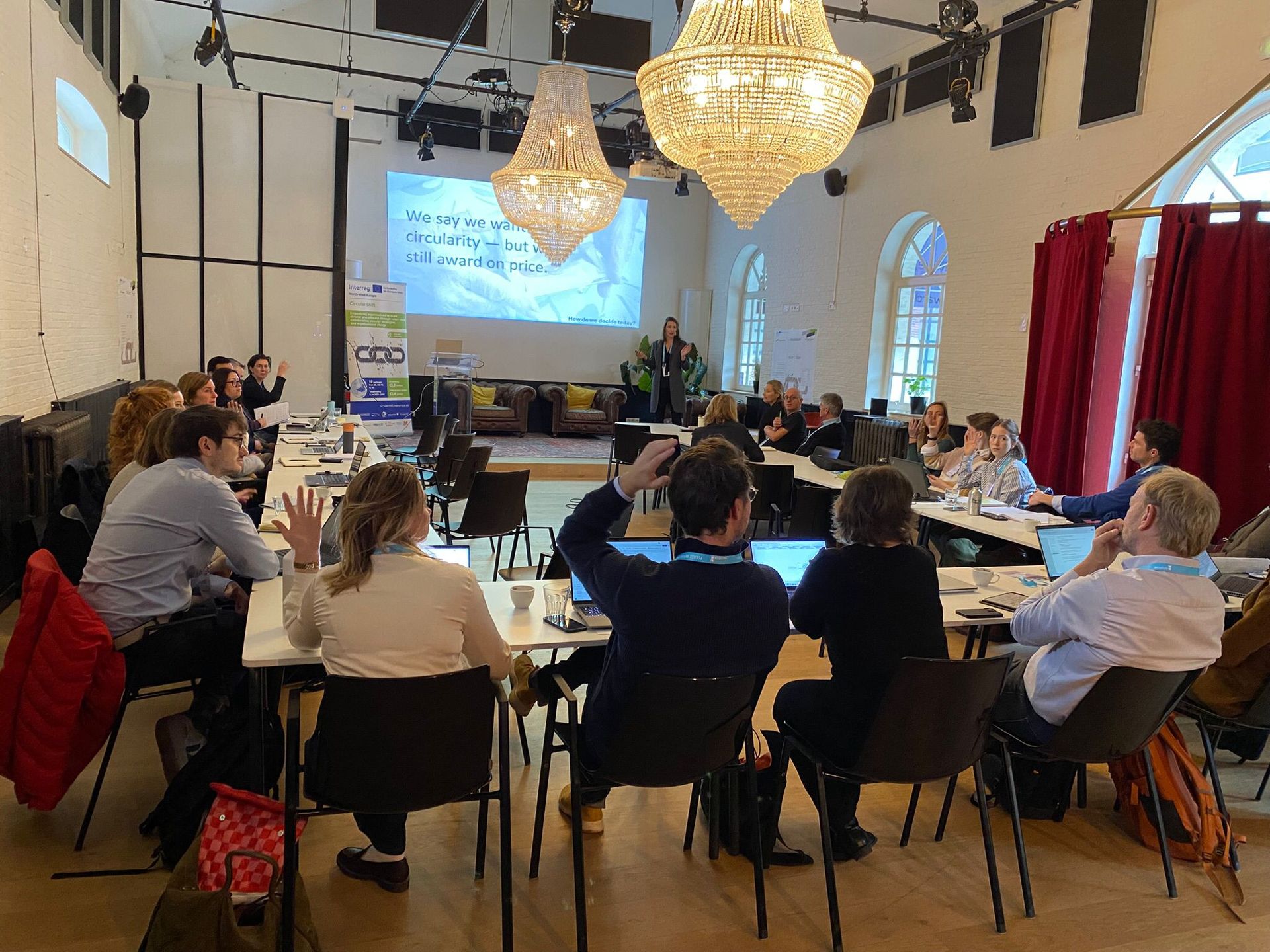
A workshop in view of the prototype decision-making framework (DMF) followed, presented by Anusha Mascarenhas, a PhD candidate at Nyenrode Business University whose doctoral research follows Circular Shift, and Patrick O'Donnell of Irish Manufacturing Research. The Horizon Circular PSP project was also showcased by Fernanda Pinto Godoy (Sandyford Business District). To close the day, an internal communication meeting for partners was convened by Dominic Tscherny of ACR+.
Day 2
The second day began with another Circular Shift masterclass on "Internal commitment & behavioural change" delivered by Mervyn Jones and Joan Prummel. Their masterclass offered an approach to organisational mindset change for circular procurement, supported by an example from Rijkswaterstaat. The masterclass also explored common barriers to change and offered tips for identifying the right mindset and achieving success.
Click here to read a summary of the Masterclass: "Internal commitment & behavioural change"
In the afternoon, partners planned their working arrangements, further discussing the best approach to achieving Circular Shift's goals.
Day 3
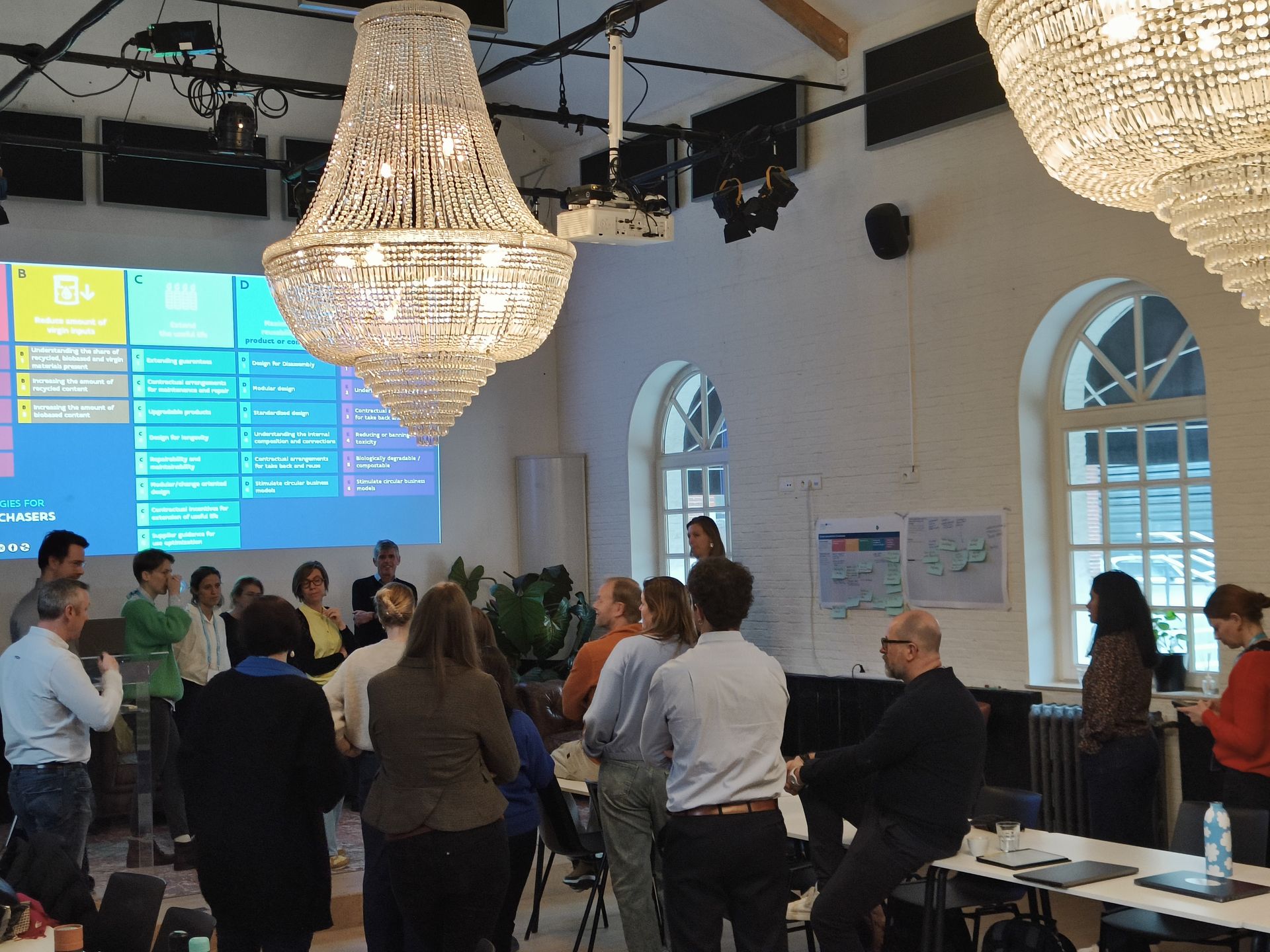
The third and final day began with a workshop on the value chains of workwear, phones, and ICT. Participants discussed the circular strategies (with reference to the 10 R's) and steps that procurers can take to improve the sustainability of their contracts and management.
After some more sessions of project management (planning different tasks under the work packages), the partners set off on their bikes for a voluntary tour of two inspirational site visits in Mechelen.
CiLAB
At the CiLAB Collective (Augustijnenstraat 74), the guests of Circular Shift were delighted to be welcomed by Jan Merckx, founder of the collective in 2020 whose name stands for Circular Innovation Laboratory. Jan's presentation of the history, business model, and activities of CiLAB was truly enlightening, as he explained the vast work they achieve locally, regionally, and at national level, despite only a handful of staff; among other work, the collective handles all of Decathlon's repairs in Belgium, provides workshops to youth, and develops bespoke clothing for cultural events in the city as well as companies - including workwear. They do all of this using circular economy principles.
CiLAB's innovative approach and commitment to collaboration was a shining example of the approach that Circular Shift seeks to replicate. The company's pivotal focus on social value, as well as its upside-down business model (Jan has run the company for five years without pay) shows that meaningful impact and participation in the circular economy can come in many shapes and forms. Thank you, CiLAB for your inspirational work!
Recupperij
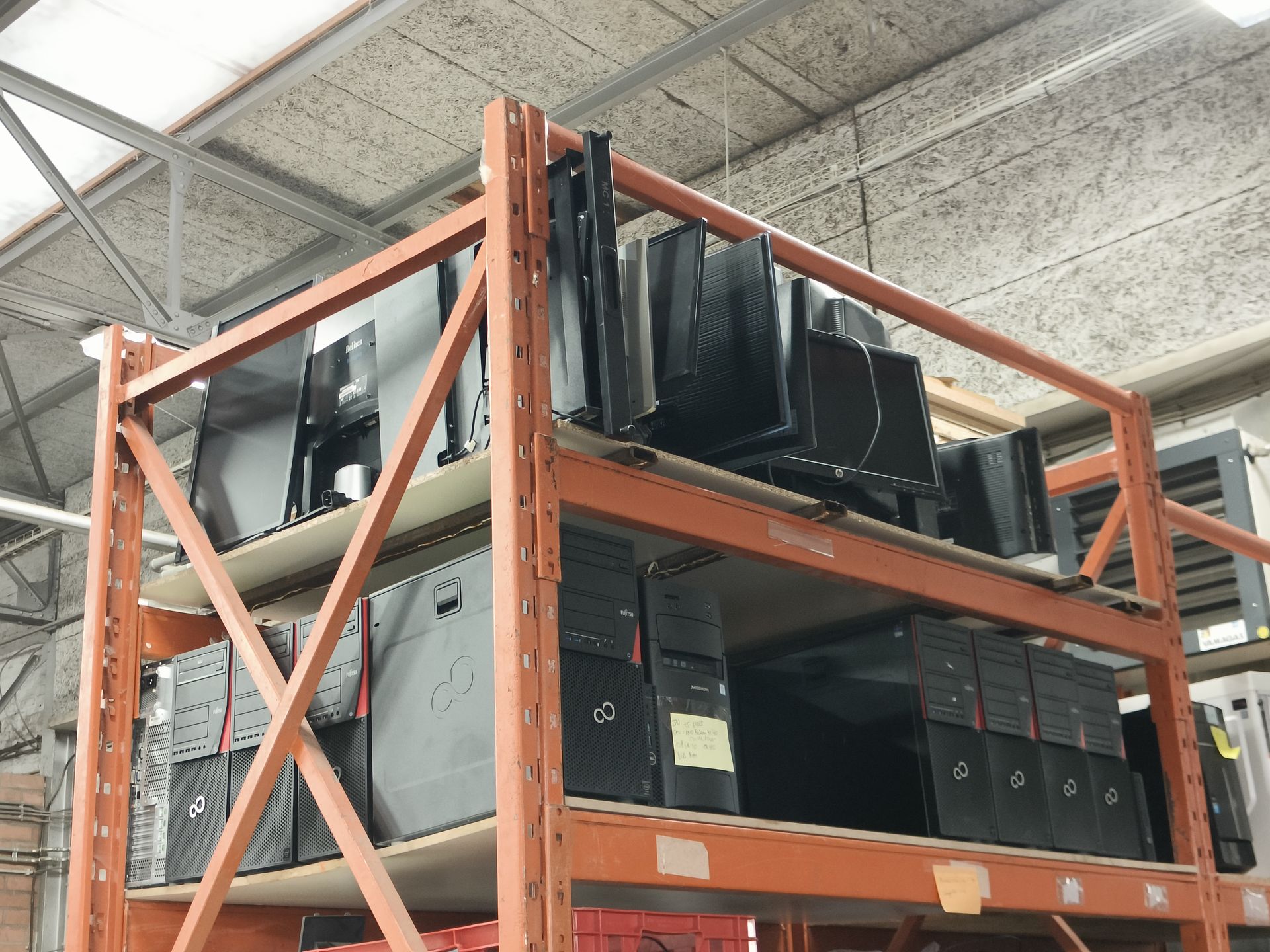
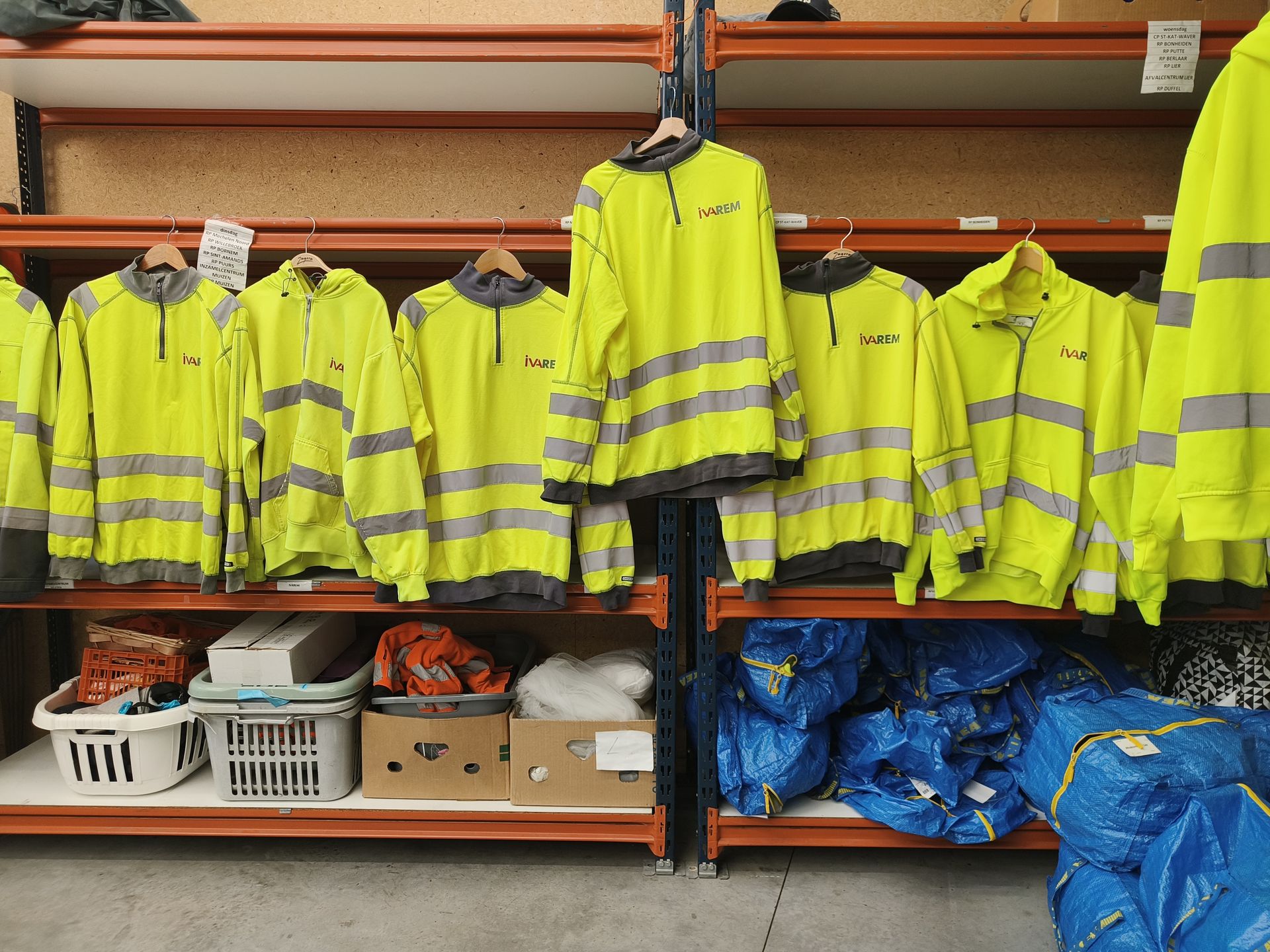
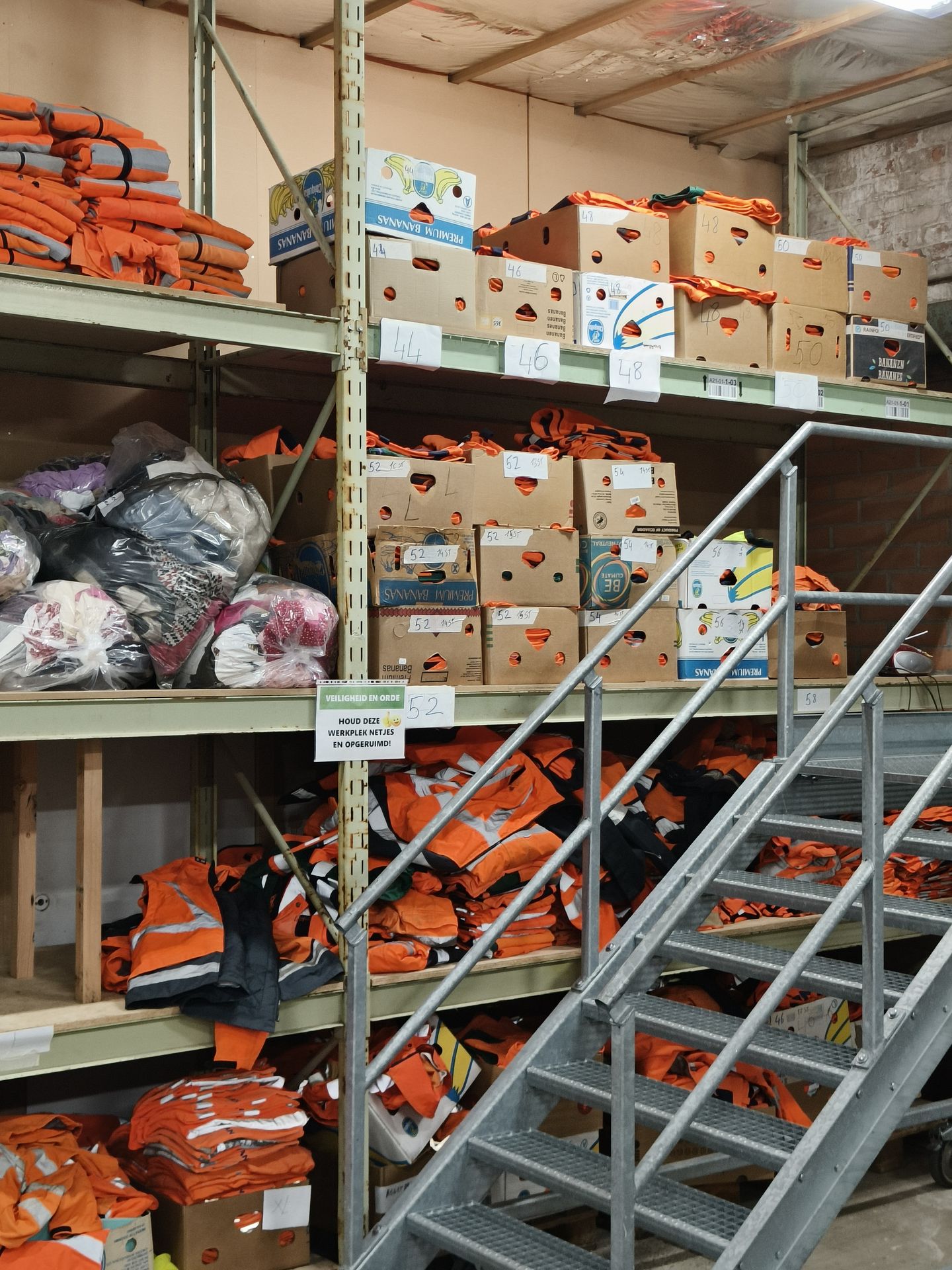
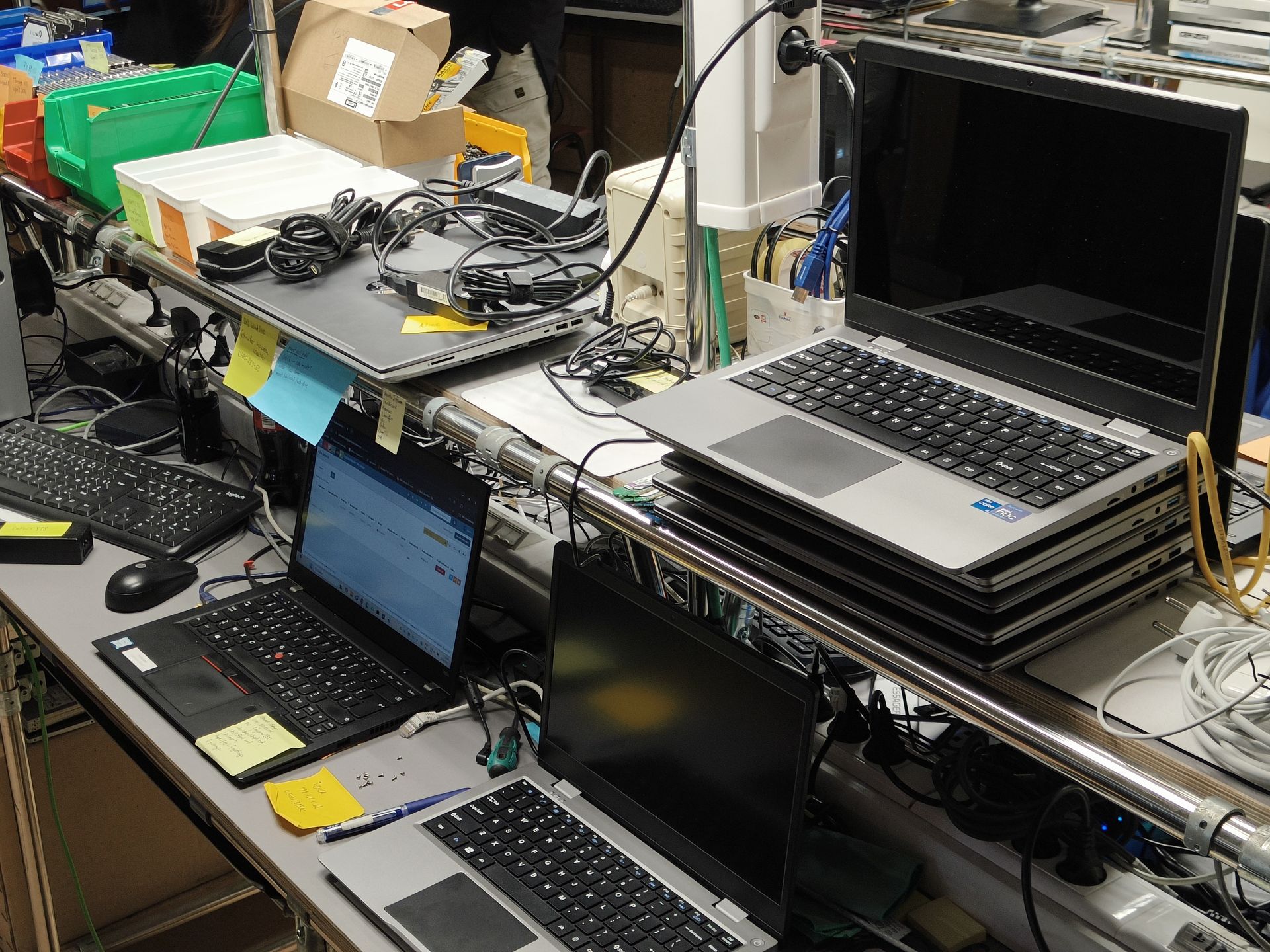
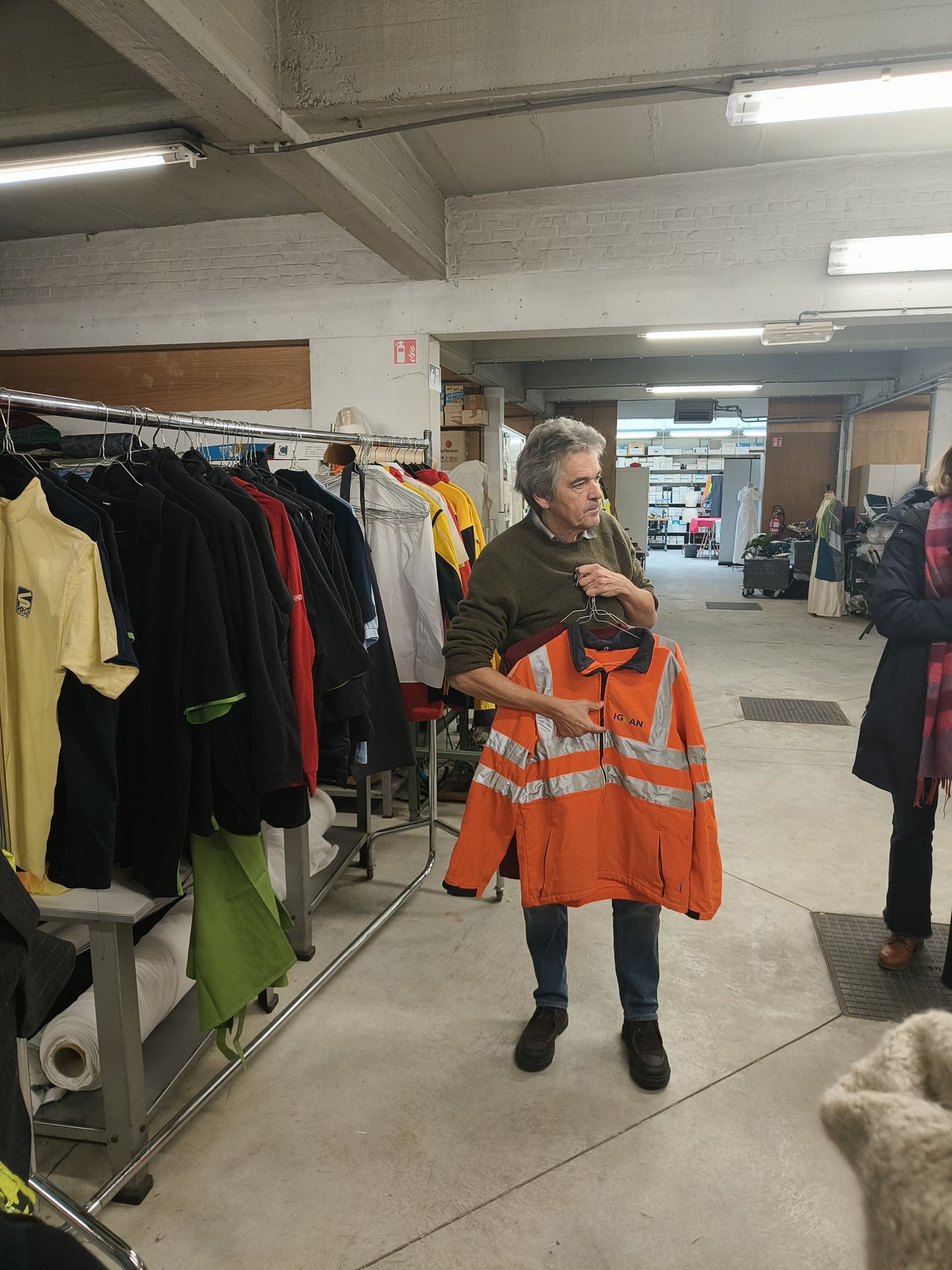
At the Recupperij (Battelsesteenweg 48), participants found themselves at an intersection of all three Circular Shift product groups: workwear, laptops, and phones. Employing disadvantaged people with distance from the labour market, the Recupperij prepares old electronic equipment from private companies and the city of Mechelen to be used again. Furthermore, the centre sorts and refurbishes fashion items (glasses, shoes, and bridal wear) and offers a laundry and repair service for workwear.
The guests of Circular Shift were impressed by the scale and scope of operations at the Recupperij. The tour presented workers repairing phones and tablets, laptops and desktop computers, and the sorting warehouse for textiles. Incorporating a core social and labour dimension as well as environmental and circular principles, the Recupperij is a leading model showing how to close gaps within the economy. Thank you, Recupperij, for sharing your impact!