Middelburg, the Netherlands — Over 15 and 16 June 2026, the third interregional meeting of Circular Shift took place, gathering all 10 partners from 5 countries. The event was hosted by the Municipality of Middelburg.
Over two days, partners advanced their work on Circular Shift's three key outcomes: a value chain collaboration methodology to circular public procurement, trainings to upskill civil servants in that approach, and an impact monitoring framework to tie it all together. Beyond the meeting, participants even had the opportunity to enjoy a biodiversity walk around the medieval fortifications of the city.
Day 1
The meeting kicked off with a welcome speech by Yvonne van Maastrigt, Mayor of Middelburg. The Mayor was pleased to welcome an international consortium to the capital of Zeeland, a historic province in the south of the country. She also praised the collaboration between public authorities, academics, and businesses.
During the morning, partners worked on defining the 9-step process behind the value chain collaboration (VCC) methodology. This work is pivotal to all the outcomes of Circular Shift, and partners and external authorities interviewed by the project have both started to assess their progress toward adopting a VCC approach.
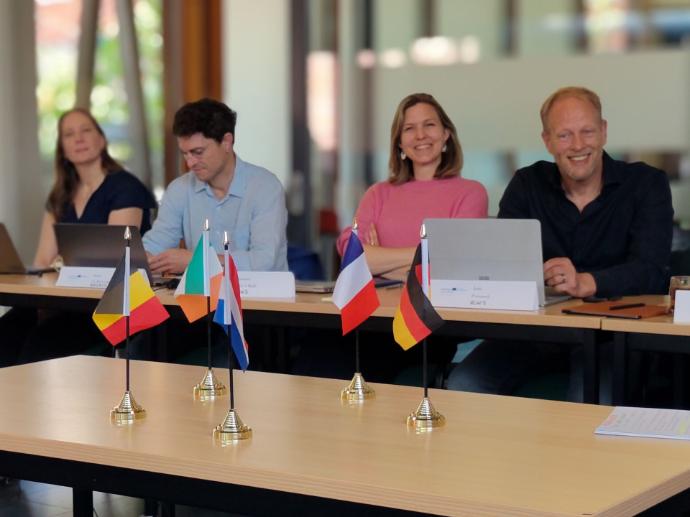
Partners also turned their attention to the creation of working groups - an important element to come from Circular Shift where stakeholders across entire value chains (including businesses of all sizes and public authorities) will come together to work towards circular procurement of ICT, phones, and workwear. The efforts of the working groups will also contribute to the development of the 8 pilots to come.
"Buyers meet suppliers" events will also be organised throughout the coming year, helping to map interested parties from both sides of the procurement process.
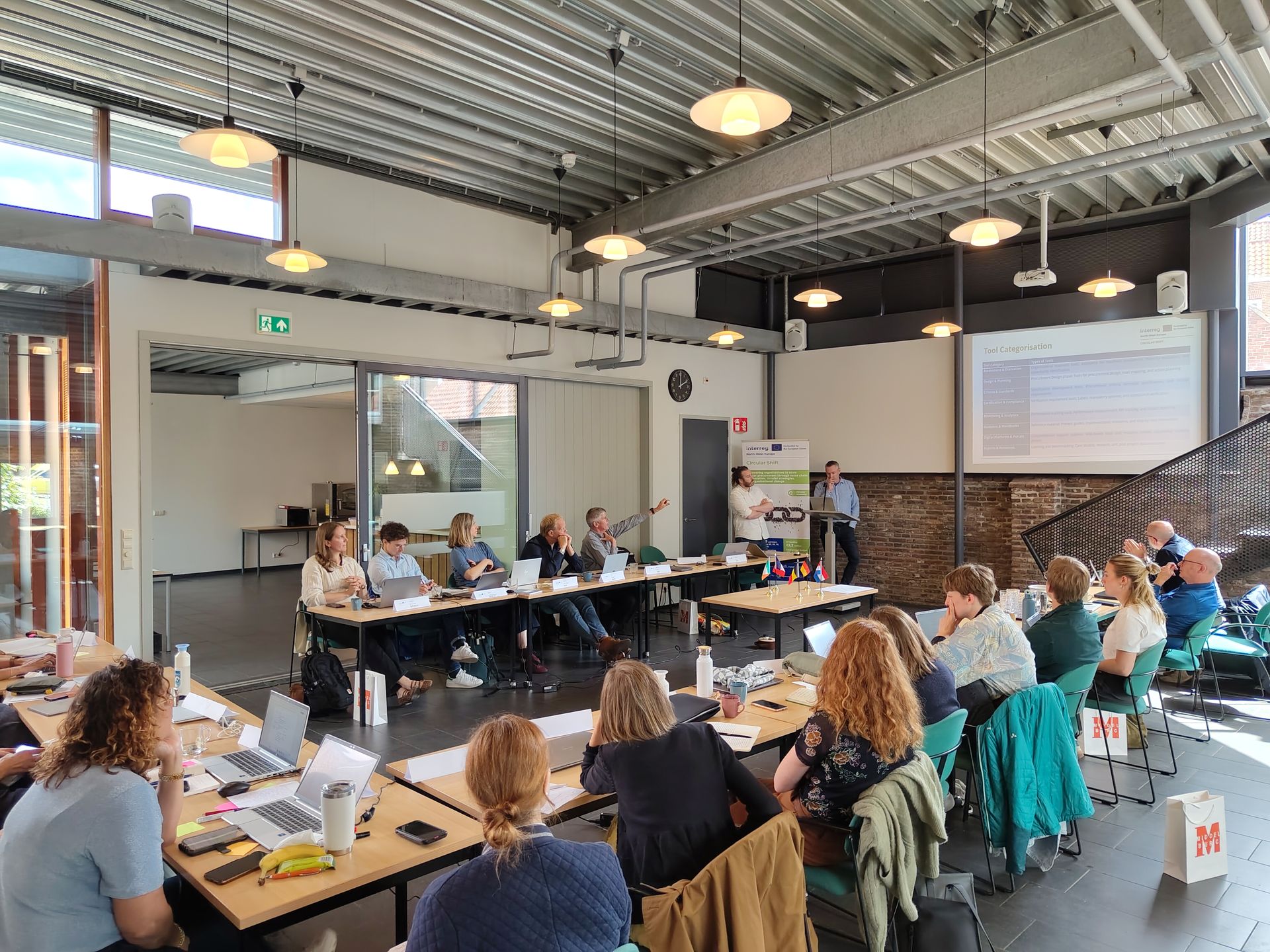
Partners from Irish Manufacturing Research offered a summary of their work to assess existing circular procurement impact measurement tools, before researchers from the Nyrenrode Business University (NBU) presented an overview of key insights from the Circular Shift interview process, followed by an introduction to different theories of value.
Day 2
On the second day, key insights into the Circular Minds self-assessment matrix were presented by Rijkswaterstaat. Organisations completing it shall create a baseline from which the trainings can start.
Regarding trainings, NBU and ACR+ are both working on this theme. The former has been researching the comprehensive European Union legislative framework surrounding circular procurement, while the latter is developing trainings for public authorities in multiple other EU-funded projects. Both will contribute to Circular Shift training modules.
After lunch, an external speaker Dr. Niko Roorda offered a session about behavioural change as one of the biggest barriers to achieving circular procurement. His talk elucidated how knowledge alone is insufficient to motivate change; one needs skills, a comprehensive vision of where one seeks to end up, and a network to go there with.
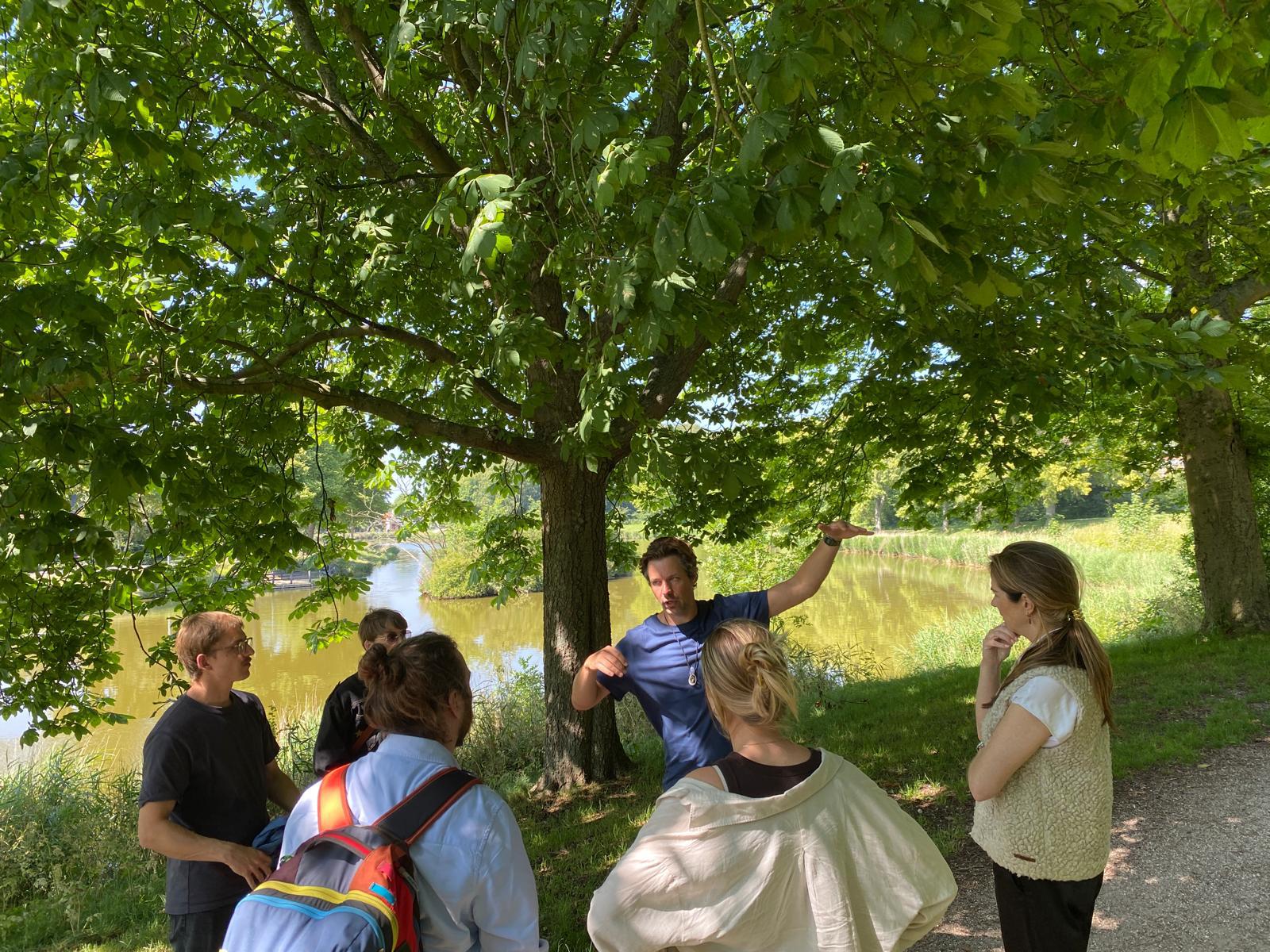
At the end of the day, partners were treated to a city walk with the rural ecologist Bas Wattel. Their walk took them around the medieval fortifications of Middelburg, which have been transformed into a park encircling the city. This walk reminded partners of three things:
First, that biodiversity and the natural world are never too far from the footprint of urban space.
Second, that the wellbeing of citizens depends on a healthy living environment.
Finally, that walls erected by society are not destined to last forever; even the most imposing barriers can be overcome.
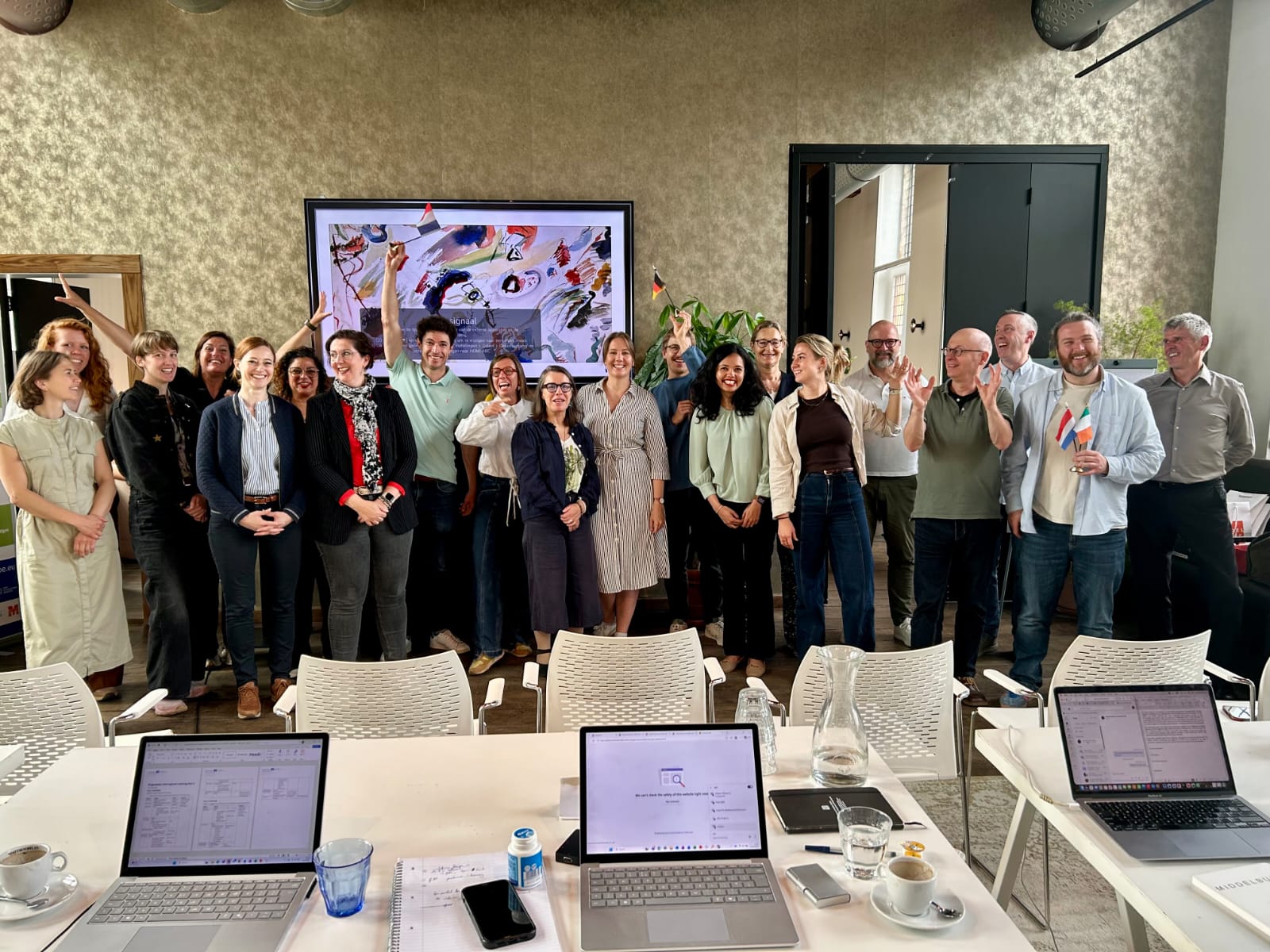
Thank you, Gemeente Middelburg, for welcoming Circular Shift to your city!